Commercial aluminium window spraying is often proposed when frames are still true but the colour is tired, inconsistent across a façade, or out of step with a new brand standard. Done properly, the work happens in situ: the frames stay where they are, the glass stays in, and the disruption of a full replacement is avoided.
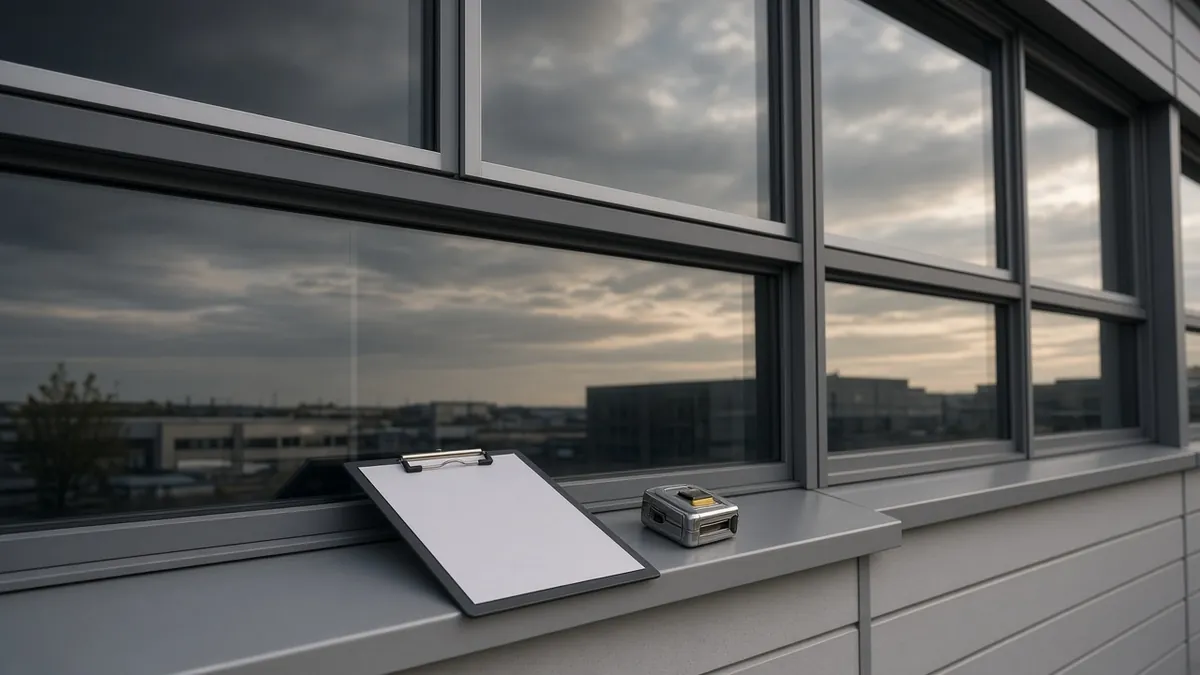
It is only the right job if the profiles themselves are sound. A survey is there to test that assumption, not to rubber-stamp a colour chip. This is what we actually look at before we specify commercial aluminium window and door spraying.
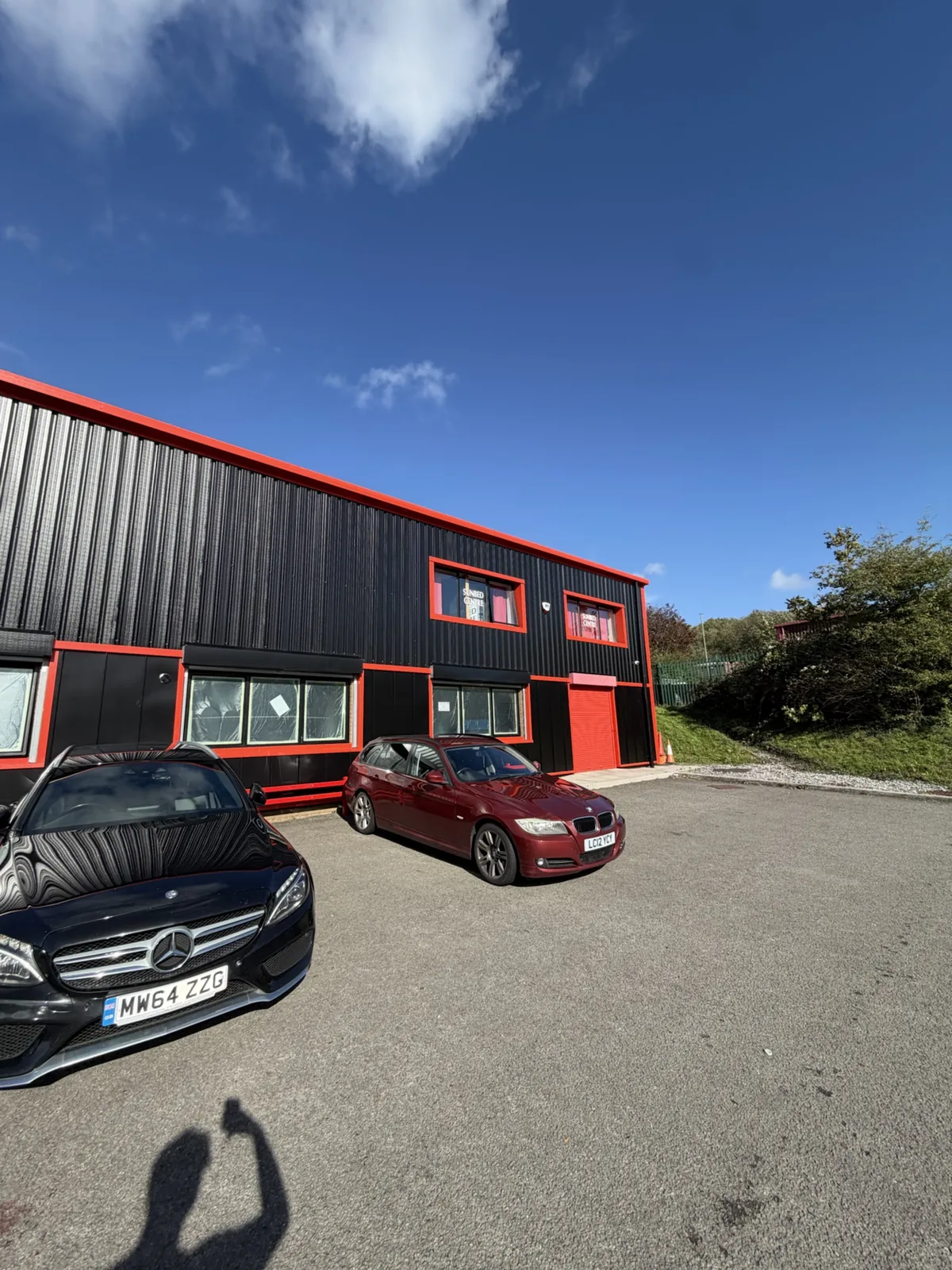
When in-situ spraying is a candidate
The starting point is a frame that is mechanically serviceable. Opening lights should still open and close, corners should be intact, and there should be no widespread corrosion eating through the section. Faded powder coat, chalking or a colour that no longer matches adjoining elevations are finish problems. Bent sections, failed hardware or chronic leaks around the frame are not.
Replacement remains the better call when the window no longer does its job as a window. We will say so, because coating over a failed unit wastes the programme and does not give the building owner what they think they have bought.
In-situ work is also a candidate when a landlord or facilities manager wants one colour repeated across a portfolio. Replacing every frame to achieve that is rarely necessary if the existing sections can take a compatible coating.
What we inspect on the frames
Profile condition and corrosion
We look along sight lines for impact damage, distortion and corrosion at sills, fixings and cut ends. Light surface oxidisation on sound metal is a preparation issue. Corrosion that has lifted the section or broken through it is a repair or replacement issue.
Unknown existing coatings are another reason to slow down. If we cannot tell what is already on the aluminium, a test area is more useful than a confident guess.
Seals, gaskets and thermal breaks
Gaskets, wet seals and drainage paths are part of the window, not decoration around it. Failed or displaced gaskets, open corners and staining that suggests water sitting in the system are flagged before any spraying is specified. A new colour will not reseal the building.
Thermal-break frames need particular care. The survey should understand the profile well enough that preparation and coating do not disguise a break that has already failed, and do not block drainage or weep details that the system relies on. If something looks wrong structurally or thermally, cosmetic work waits.
Ironmongery and opening lights
Handles, hinges, restrictors, trickle vents and letter plates either stay in use or have to be protected and worked around. Opening lights that building users still need during the programme require a sequence: which windows can be closed while coatings cure, and which must remain available for ventilation or fire strategy reasons.
Seized or failing ironmongery should be repaired by the responsible contractor before we treat the leaf as a finishing surface. Paint will not free a hinge.
Glazing protection and masking
Most of the visible effort on an occupied elevation is protection. Glass, adjacent stone or cladding, internal sills and floor finishes near the opening all need to be masked or shielded. On showrooms and offices the interior face of the glass is as sensitive as the exterior: overspray that appears inside a meeting room is a defect, not a footnote.
Thresholds, paving and parked vehicles sit in the same risk group. The method statement should say how they are protected and who moves what before we start.
This is also why frame spraying so often belongs inside a wider façade refurbishment brief. If cladding or shopfronts are changing colour in the same visit, the masking plan should be designed once.
Occupied offices and tenant access
Facilities managers usually need the building to keep working. That means agreeing which elevations can be reached during office hours, whether early or late windows are required, and how we reach frames above public entrances.
Desks, blinds and equipment against the glass need a named owner. Someone has to clear or protect the inside face; hoping that will happen on the morning we arrive is how interiors get marked. Quiet hours, landlord rules and neighbour liaison should be written into the programme rather than handled as a surprise.
We plan this in the same way we would any other occupied commercial interior or envelope job: the coating is only part of the attendance.
Mixed aluminium and UPVC on the same elevation
Many commercial buildings do not have one frame material. Customer-facing screens may be aluminium while secondary elevations, rear access or later alterations are UPVC. Those two substrates do not share a preparation method or a coating system.
Our published fitness facility exterior project is a clear example: 11 aluminium windows and 29 UPVC windows sat on the same building, together with cladding and shutters. The survey treated them as related but different items. Commercial UPVC spraying is specified separately, using systems engineered for that plastic — including Kolorbond where it is the right product — rather than borrowed from the aluminium specification.
If a quotation treats every white frame on a photograph as the same material, ask for that to be checked on site.
Colour standards for portfolios
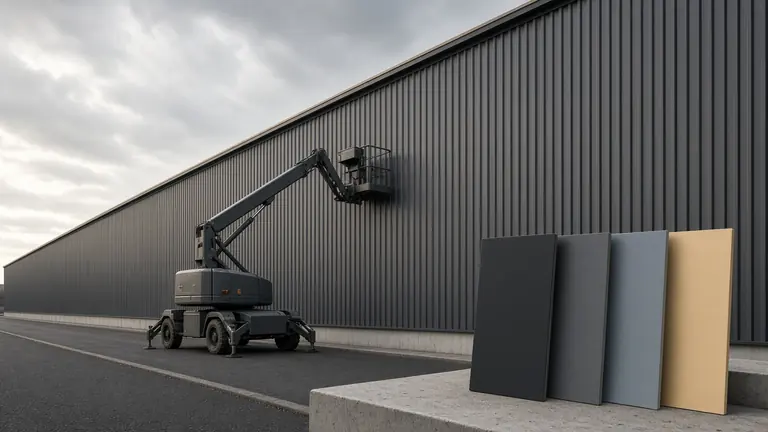
Office landlords and facilities management teams often want a repeatable frame colour rather than a one-off match. The useful documents are simple: a RAL or BS reference, a note of the sheen, the preparation method that was used, and a sample panel or retained reference if later phases will be judged by eye.
That file is what stops a second building, recoated a year later, from looking almost-but-not-quite like the first. It is also what office occupiers can hand to a designer or a managing agent when they refresh the next floor or the next site.
When we recommend replacement instead
We recommend replacement, or repair by others, when frames are severely corroded, bent, or thermally failed; when opening lights no longer operate safely; or when water ingress will not be solved by a new finish. Spraying is the wrong answer in those cases and we will say so in the survey note.
The same applies if the brief is really a performance upgrade — different glazing, different security hardware, different thermal performance. Those outcomes need a window contractor, not a coating specification.
How to brief a survey
Photographs of typical frames, inside and out, plus a count of openings on each elevation, are enough to start. Tell us which rooms stay occupied, whether any lights cannot be closed, and whether UPVC or steel elements sit on the same face. If you already have a brand or portfolio colour, send the reference rather than a screenshot of a logo.
From there we can say whether in-situ spraying looks feasible and what a site visit needs to confirm. Send photos or drawings and we will reply during business hours.