Two industrial units can be built in the same year, with the same profiled steel sheets and the same factory colour, and be in completely different condition ten or fifteen years later. The one on a sheltered inland estate may only be faded and chalky. The one facing the sea can have rust at every lap and fixing. That difference changes what a survey looks for, what the preparation scope includes and how the recoating system is chosen.
This article explains what changes when we survey coastal metal cladding recoating work compared with an inland job, so facilities managers, landlords and contractors know what to expect in the survey report and what to ask before they approve a specification. It is not a substitute for a site visit: the sheets in front of us decide the scope.
Why exposure matters more than age
On an inland site, the main enemies of a factory-coated cladding sheet are ultraviolet light, rain and, near roads or industry, airborne dirt and pollution. The coating fades and chalks first, then gradually thins. Corrosion tends to arrive late and in predictable places.
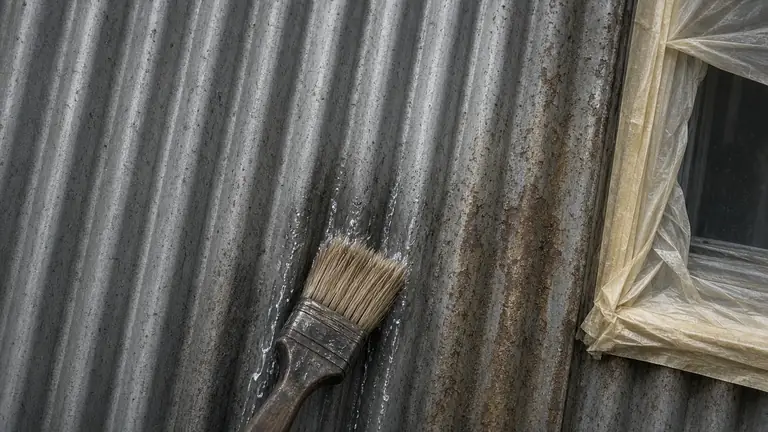
On a coastal site, salt is added to that mix. Wind carries salt-laden moisture onto the elevation, where it settles in profile troughs, laps and around fixings. Salt holds moisture against the surface and speeds up corrosion wherever the coating is broken, which is why cut edges and fastener heads on coastal units often deteriorate long before the main faces of the sheets.
For designers, exposure is often described using the atmospheric corrosivity categories in BS EN ISO 12944-2, which run from very low (C1) to very high, with a separate marine category at the top end. If a specifier has assigned a category to your building, that belongs in the brief. If nobody has, the survey still has to describe the exposure in plain terms so the system can be chosen sensibly.
Coastal versus inland: what the survey looks at differently
The survey sequence is broadly the same everywhere. What changes on the coast is where we look hardest and how much evidence we need before recommending a respray.
Elevation by elevation, not building by building
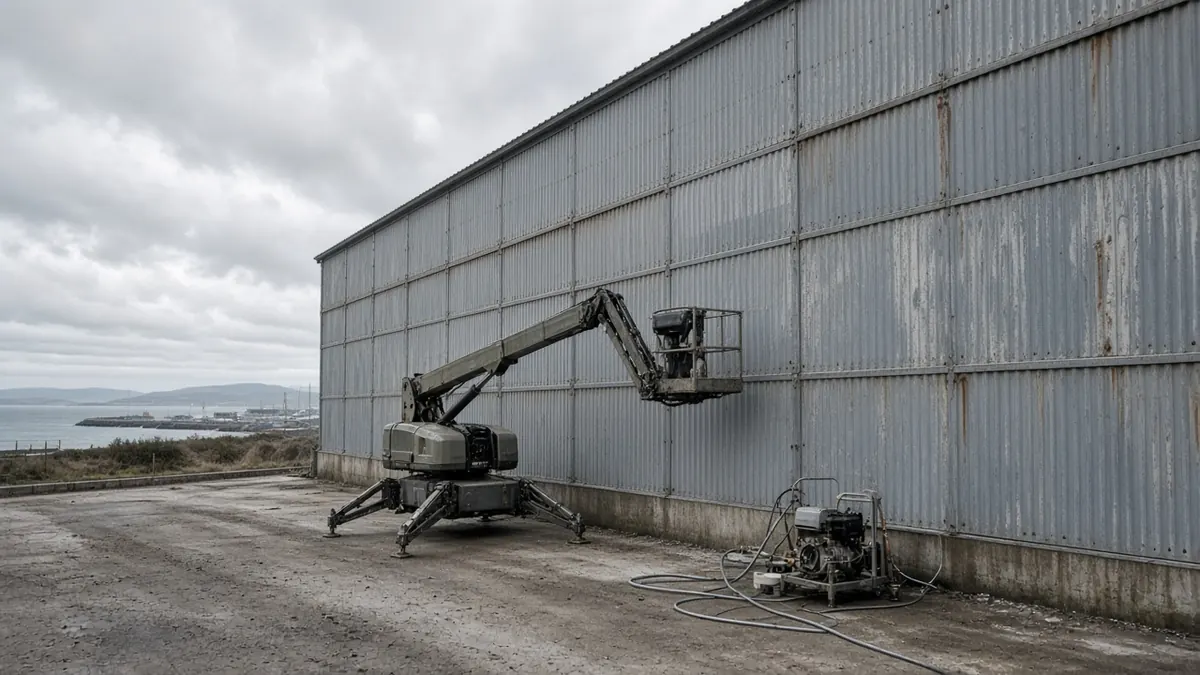
Inland, one elevation is often a reasonable guide to the others, apart from the south face fading faster. On the coast, the elevation facing the prevailing wind and the sea can be in a very different state from the leeward side. We record each face separately, because a single “average” condition hides the panels that need replacing.
Sheltered areas where salt builds up
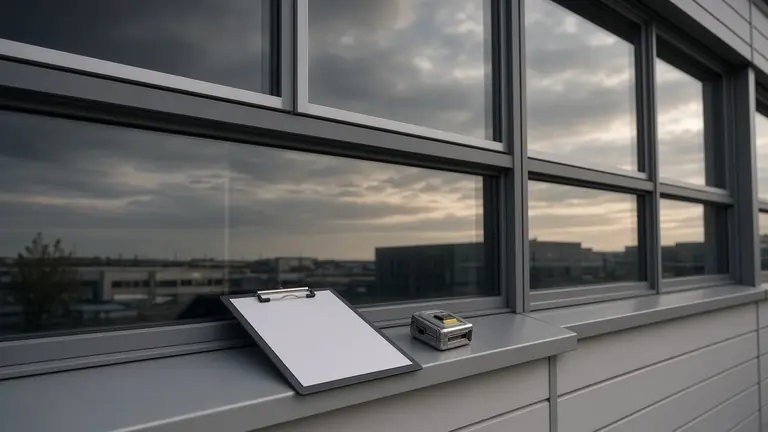
It sounds backwards, but sheltered parts of a coastal building can be worse than exposed ones. Rain rinses salt off open faces. Soffits, canopy undersides, the tops of window heads, the bottom edges of sheets and the backs of flashings do not get that rinse, so salt accumulates there. These areas get close inspection, often from access equipment, rather than a view from the ground.
Cut edges, laps and fixings
Cut-edge corrosion is common inland too, but on coastal sites it tends to be further advanced and more widespread. The survey notes how far corrosion has crept back from the edge, whether the coating is lifting along laps, and whether fixings are rusted, loose or missing. Advanced creep can mean an edge needs more than surface preparation.
Mixed metals and accessories
Gutters, trims, flashings, louvres and canopy steel are not always the same material as the main sheets. On the coast, the junctions between different metals and the fixings that join them are worth checking closely, because that is often where corrosion starts. Each material in the package needs a compatible preparation and primer.
The question of replacement
The bar for “recoat or replace” is the same everywhere: cosmetic spraying cannot fix perforated or thinned steel, leaks or failed insulation. The difference is that coastal surveys find more panels that cross that line. A realistic report lists those panels for replacement by others, so the respray covers sound sheets only. Our cladding respray versus replace guide sets out that decision in more detail.
How preparation changes on a coastal respray
Every metal cladding respray starts with cleaning, inspection, removal of failing coating and treatment of corrosion. On a coastal job, a few of those steps get more time and more scrutiny.
- Washing to remove salts, not just dirt. Salts are water-soluble and can be invisible on a dry panel. Thorough washing and generous rinsing are the baseline, and repaired areas may need washing again after mechanical preparation so no salt is trapped under the primer.
- More corrosion treatment. Rusted edges, laps and fixings are prepared back to sound metal and primed with a product compatible with the finishing system, in line with its technical data sheet.
- Faster turnaround on bare steel. Freshly prepared steel near the sea should not sit exposed for long. The programme should allow repaired areas to be primed promptly.
- Test areas on unknown coatings. Coastal units are often overcoated in the past with unrecorded products. A test area confirms adhesion before the full elevation is committed.
We covered the general preparation sequence in our checklist on preparing metal cladding for a respray. On the coast, the same steps apply; the difference is how much of the elevation each one touches.
Choosing a system for the exposure
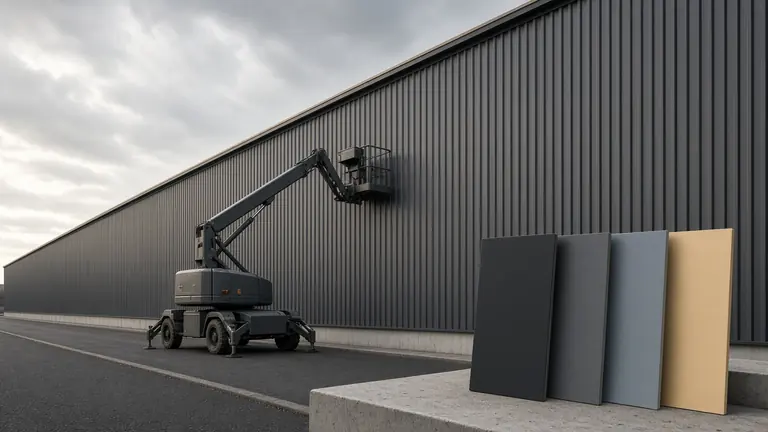
Product choice follows the substrate, the existing coating and the exposure. We work with systems such as Kolorbond, Becker Acroma 2K and Tikkurila where they suit the job, but the deciding document is the technical data sheet. It should support use in the environment the building actually sits in, and the application conditions, coat build and overcoating times on that sheet become part of the specification.
If your designer or insurer has stated a required exposure category, ask for the proposed system to be checked against it in writing. If they have not, the survey report should still explain why the system suits a coastal elevation rather than simply naming a product.
Weather windows on the coast
Coastal weather adds programme risk. Wind affects spraying and overspray control, sea mist and damp mornings can leave condensation on metal sheets, and conditions can change quickly across a day. Each product sets limits for surface temperature, humidity and the margin above dew point, and those are measured on site, not assumed from a forecast.
For clients, the practical point is to allow float in the programme, particularly outside the summer months, and to agree in advance how weather days are recorded.
Maintenance after a coastal recoat
A recoated coastal elevation benefits from routine washing, especially in sheltered areas that rain does not reach, and periodic inspection of edges, fixings and accessories. Our guide to how long cladding coatings last explains the signs worth watching for. Our five-year written guarantee applies where the surveyed specification is followed, which is one reason exposure is recorded properly at survey.
Where this applies in our area
Wales and the South West include long stretches of exposed coastline, from waterfront and dock-side estates to seafront hospitality and leisure buildings. If your building is near the coast in Swansea, Barry or Plymouth, or anywhere similarly exposed, expect the survey to spend more time on edges, fixings and sheltered details than it would inland.
The short version
Coastal and inland cladding are recoated using the same principles, but the coast moves the effort towards salt removal, corrosion treatment, elevation-by-elevation recording and a system chosen for the exposure. More panels may need replacing first, and the programme needs more weather float.
If you manage a coastal unit, send photos of each elevation, close-ups of edges and fixings and approximate areas through our contact page, or read more about our commercial cladding spraying service.